Bom Dia (G)
Bom Día è una documentazione fotografica della Rota Vicentina, un percorso situato nel sud del Portogallo, percorso a piedi tra agosto e settembre 2022. Allo stesso tempo, è una raccolta di immagini selezionate a partire da una ricerca sulla forma e sulla materia. Ogni fotografia mira a creare contesti armonici, dal punto di vista formale e cromatico, partendo da immagini reali per giungere a un risultato che si distanzia da ciò che comunemente viene considerato oggettivo.
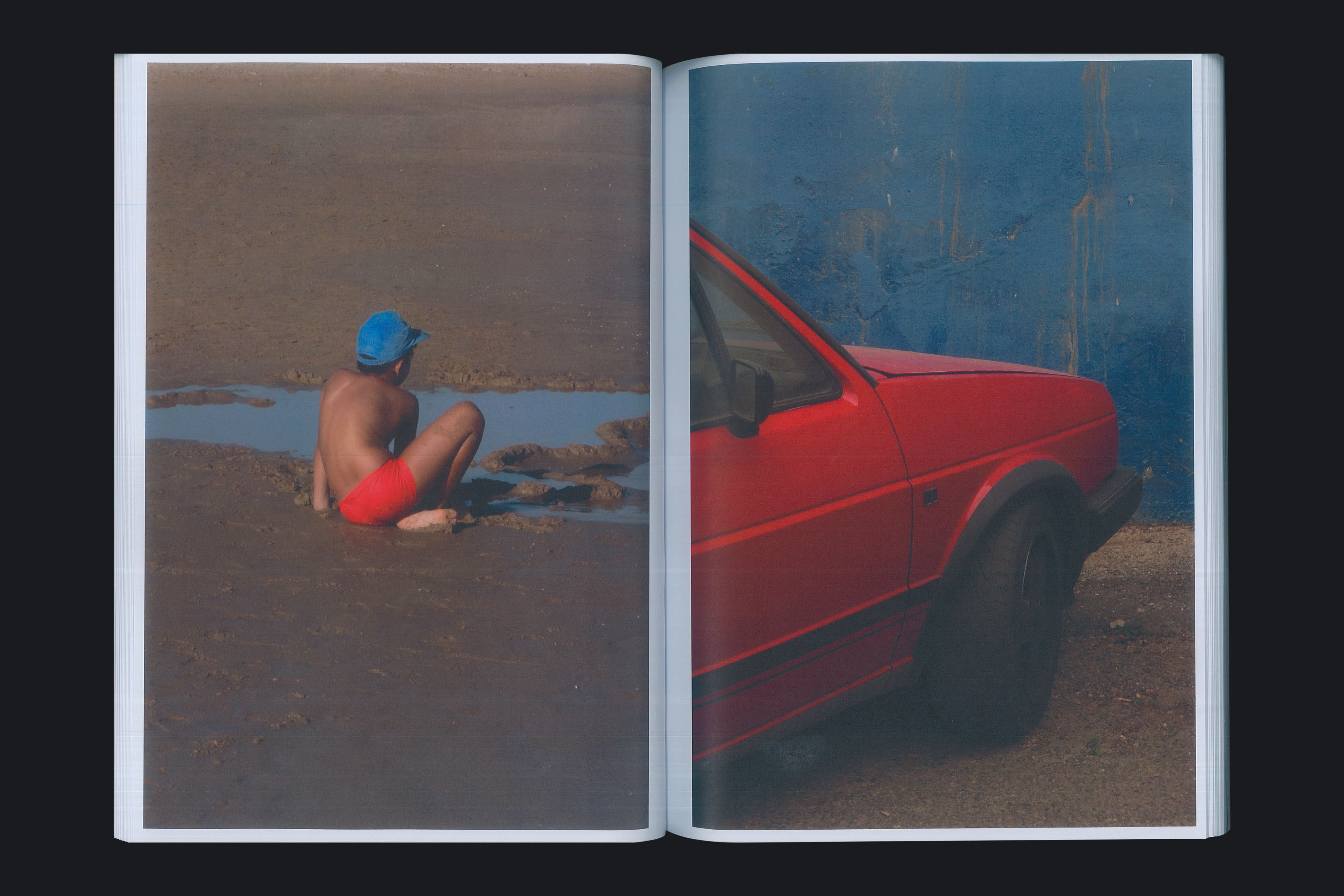
Il criterio alla base della selezione delle immagini si fonda sull’interesse per l’armonia compositiva, l’accostamento cromatico e la resa delle superfici. L’armonia della composizione nasce da pattern visivi generati dai soggetti catturati. Ogni scatto ricerca il proprio equilibrio considerando la posizione degli elementi su cui si concentra maggiormente lo sguardo. I diversi soggetti convivono all’interno dello stesso spazio, dando vita a un’immagine uniforme, ma al tempo stesso complessa e dinamica.
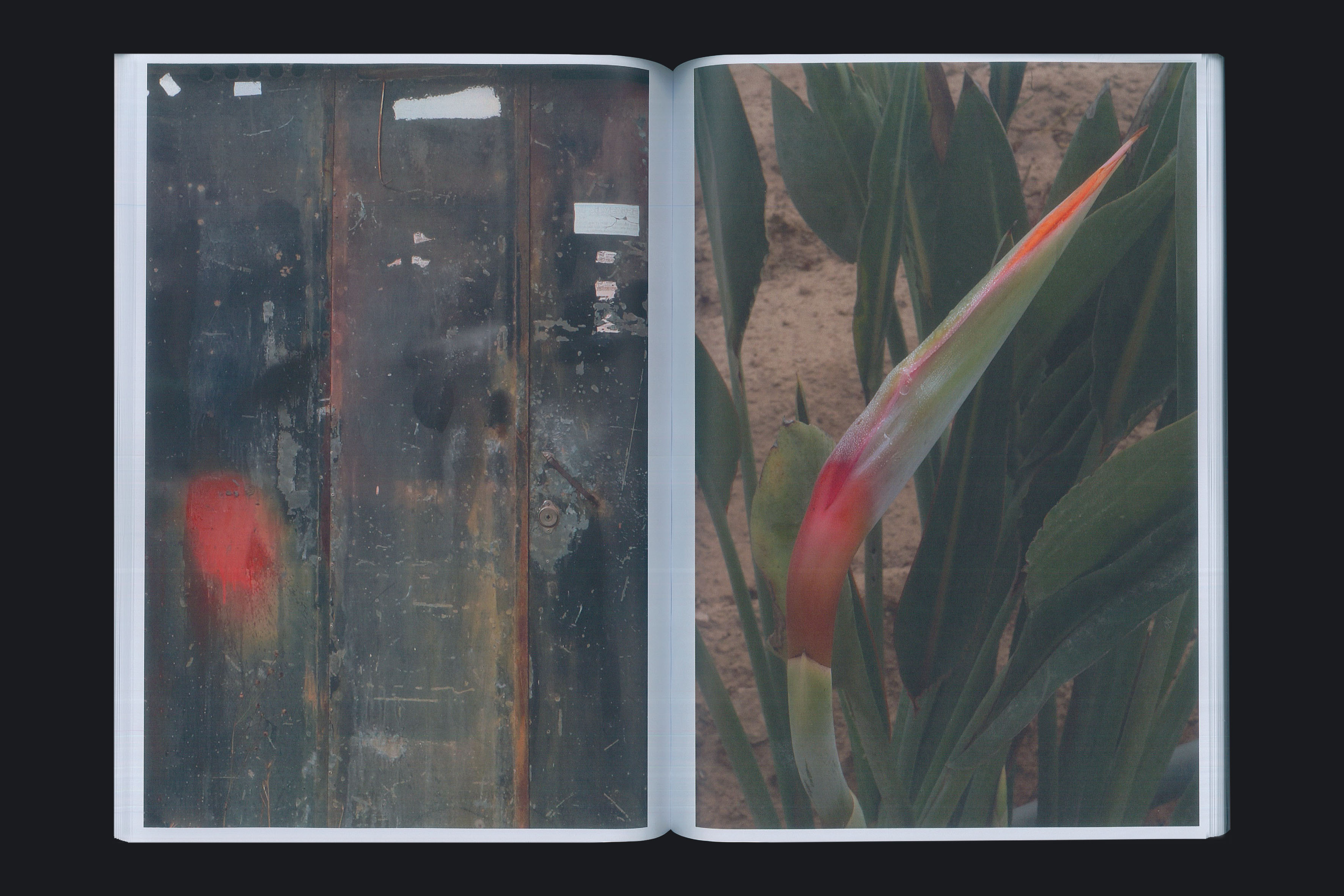
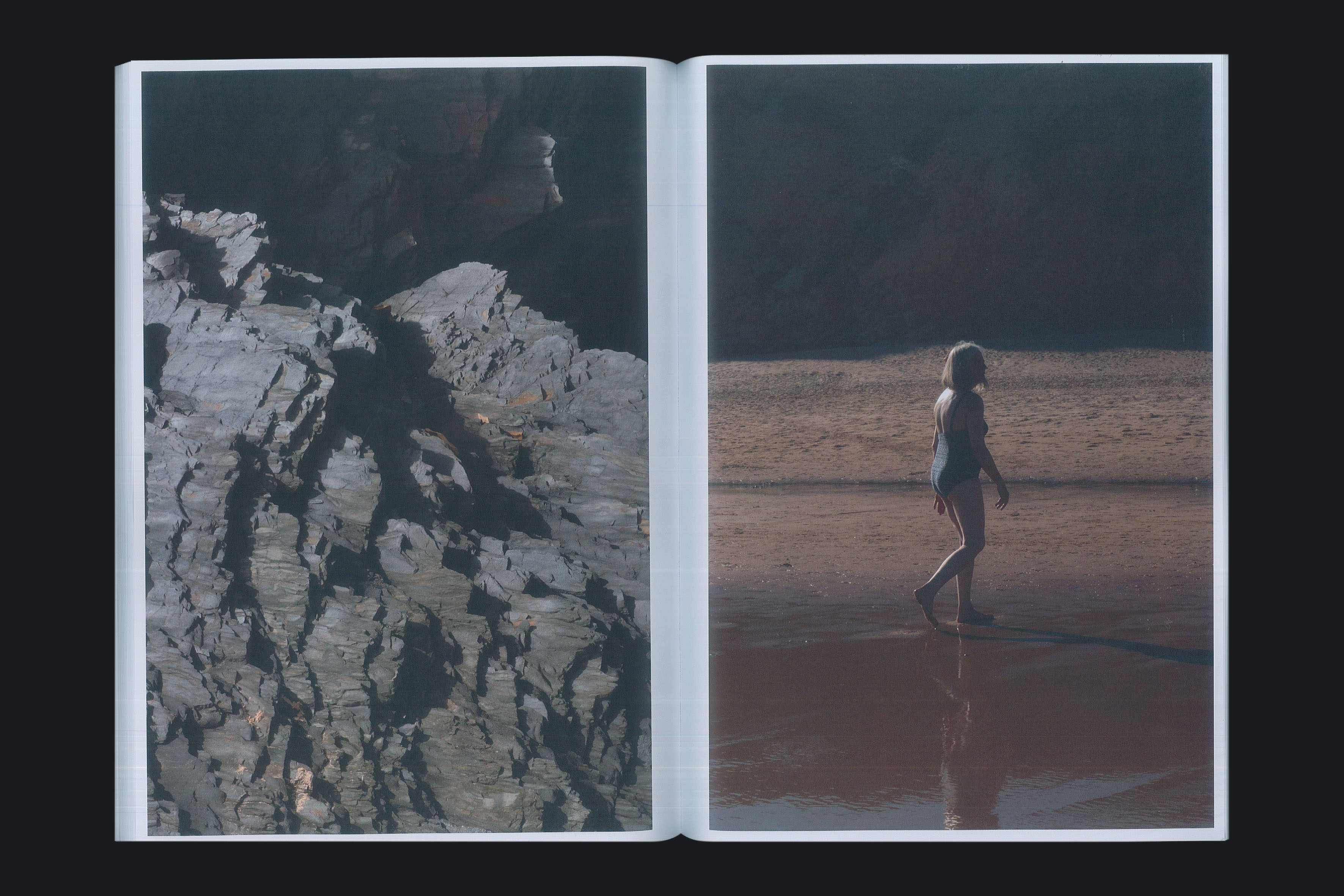
La scelta degli scatti è stata guidata da soggetti inseriti nel contesto in modo chiaro e spontaneo, senza generare una sensazione di intrusione nella scena. Le immagini di dettaglio escludono il contesto circostante e si concentrano sulle caratteristiche del soggetto; nelle immagini d’insieme, invece, ogni elemento si distribuisce nello spazio, dando vita a una composizione più complessa, definita dalla posizione e dalla direzione di ciò che la compone.
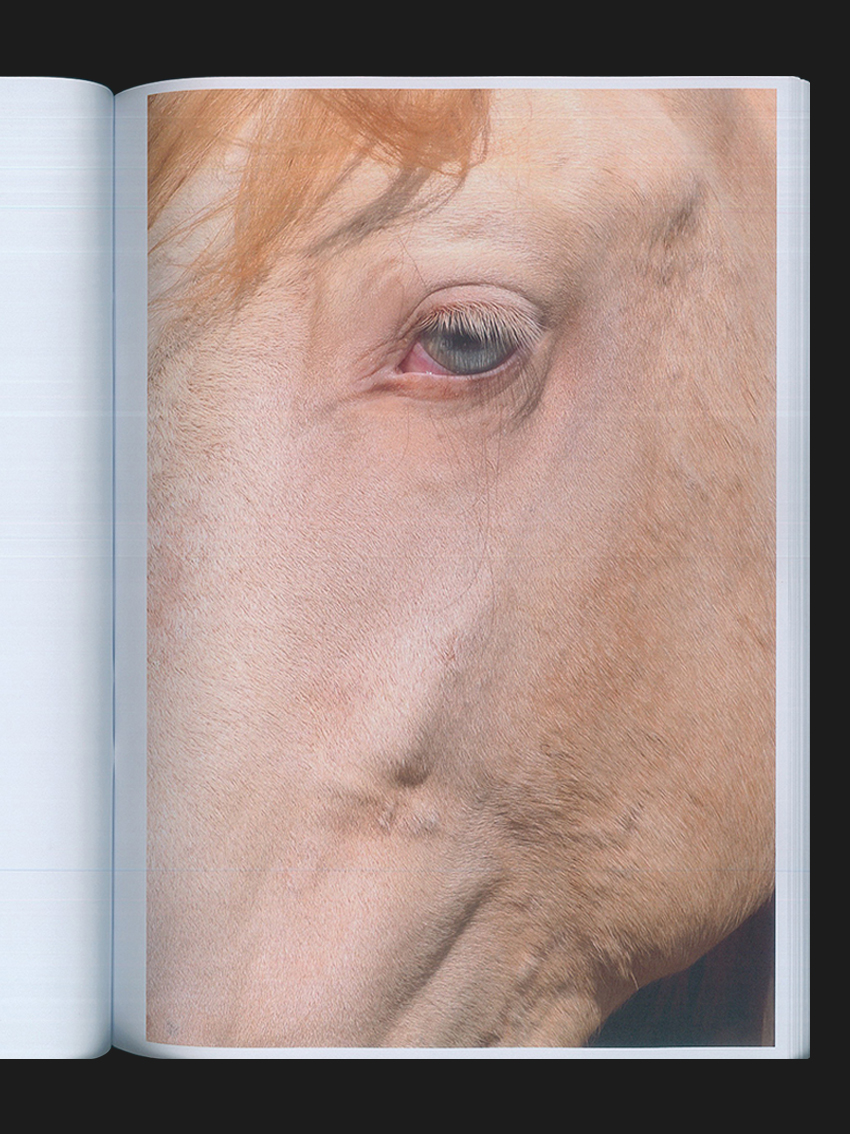
Gli accostamenti cromatici creano affinità o contrasti all’interno delle fotografie, diventando protagonisti della scena oppure enfatizzando la gerarchia esistente attraverso un’illuminazione più o meno marcata. Ogni elemento riflette la luce in modo diverso, generando ombre di diversa intensità in relazione alle forme e alle caratteristiche delle superfici.
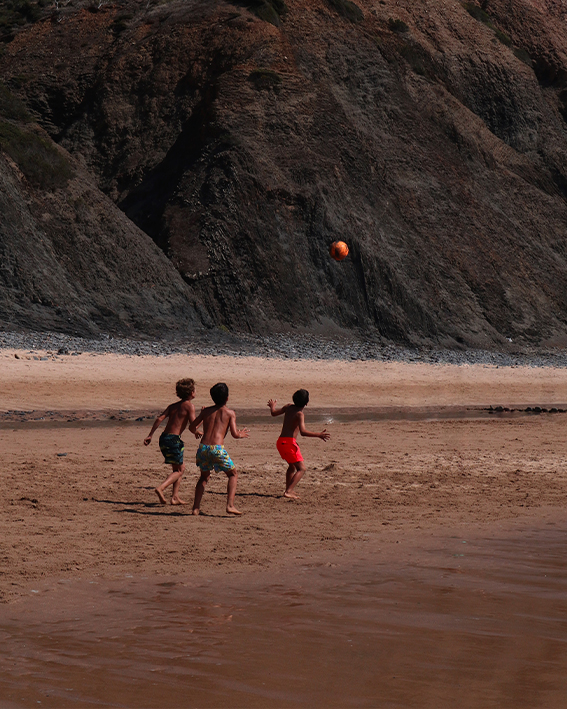
La scelta di fotografare le persone di spalle o in gesti spontanei conferisce allo scatto una forza generativa, anziché mortificante, poiché il soggetto non è consapevole di essere fotografato e non assume quindi un atteggiamento forzato. Questo libro è quindi la sintesi di una ricerca guidata dall’intuizione e dall’interesse verso ciò che già appartiene al nostro immaginario condiviso.
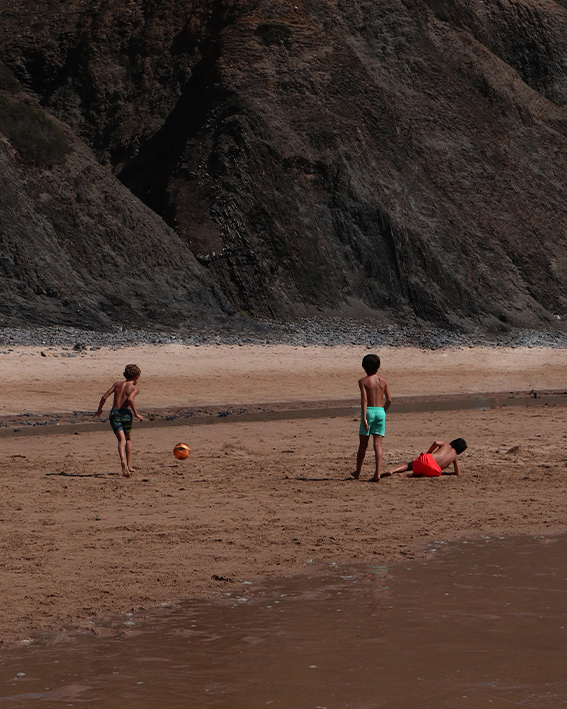
- Fotografia Sofia Zanatta
- Luogo Algarve, Portogallo (PT)
- Pubblicazione 2022